Prevention reduces hitchhiking risk and catches problems early. It does not replace treatment when an infestation is already established.
Travel and hotels
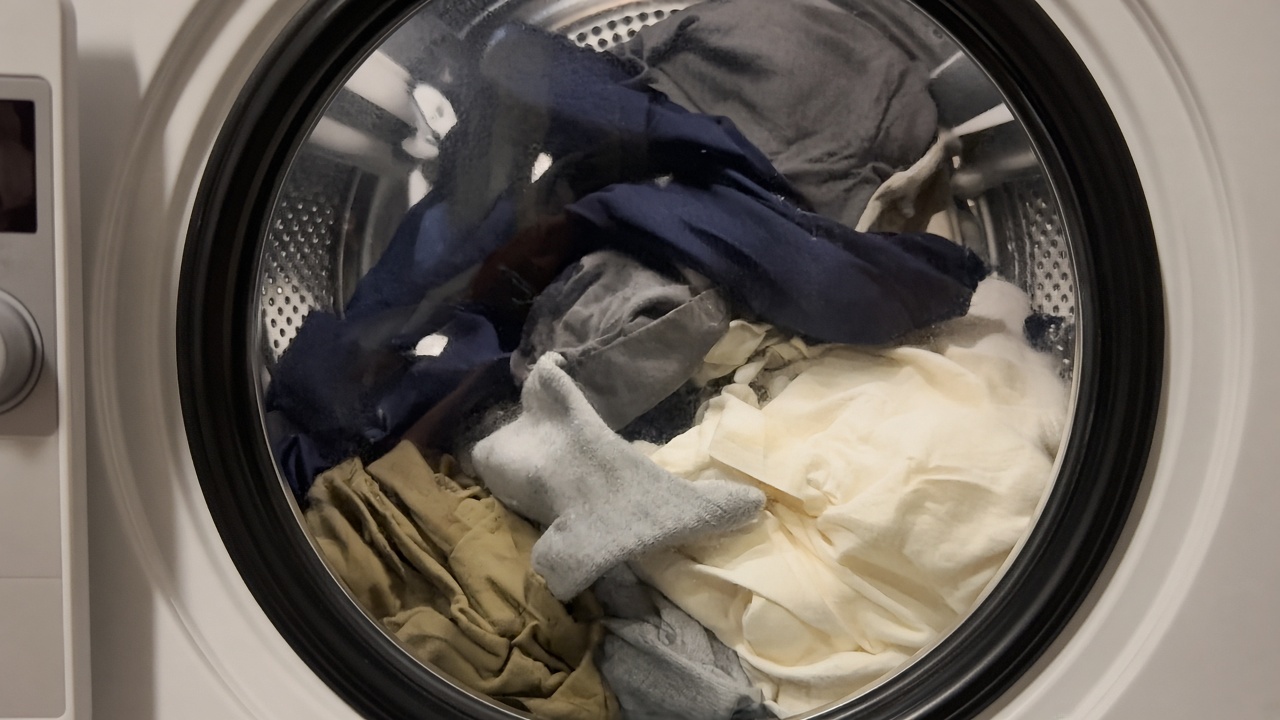
Inspect the room before unpacking. Keep luggage in the tub or on a hard rack. Check mattress seams and headboards. On return, hot-dry clothes and bags.
Used furniture and new mattresses
Inspect second-hand items carefully. Keep new mattresses sealed until home—delivery trucks can carry mixed stock.
Multi-unit programs
Landlords benefit from tenant education, rapid reporting, encasements at turnover, and coordinated professional response—not single-suite patch jobs.
Ready to talk options? Request an inspection or call.
FAQs
How do I avoid bringing bed bugs home from a hotel?
Inspect the room before unpacking; keep luggage in the tub or on a rack; check mattress seams and headboard; hot-dry clothes and bags on return.
Do mattress encasements prevent bed bugs?
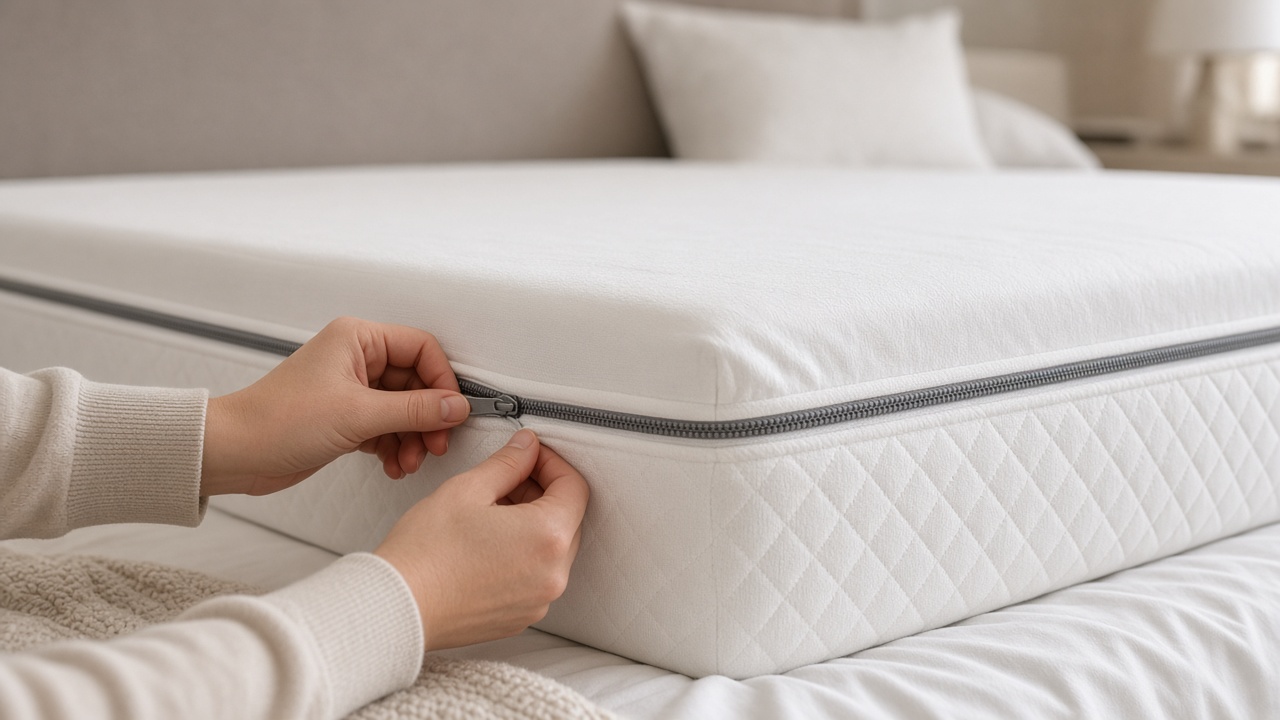
Quality zippered encasements reduce harbourages and make inspection easier; they protect mattresses but do not make you immune if bugs are on other furniture.
Are hotel mattress protectors enough?
An encased hotel mattress protects the mattress, not necessarily you or your luggage — still inspect and manage bags.
Is used furniture safe?
Inspect second-hand furniture, clothing, and books carefully before bringing them inside.
What about brand-new mattresses?
Keep new mattresses sealed until home; delivery trucks can also carry used stock.
Do interceptors prevent infestations?
Interceptors are mainly monitors — useful early warning, not standalone eradication.
How should multi-unit buildings prevent spread?
Education, clutter reduction, sealing cracks, rapid reporting, and coordinated professional response.
Can prairie winter freeze kill bugs in items?
Extreme cold can kill bugs in items left outdoors long enough, but it is unreliable as a whole-home strategy and does not treat wall voids. Prefer laundry heat cycles per public health guidance.
What should landlords put in a prevention program?
Move-in inspections, tenant education, rapid response SLAs, and documentation. Consider encasements in turnover units.
After treatment, how do I keep them from coming back?
Encasements, reduce clutter, continue monitoring, follow travel protocols, and report neighbour activity early.